

How the Foxglove got its Name
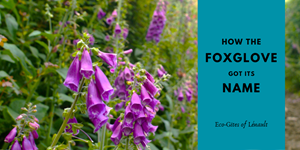
The shady paths around Eco-Gites of Lénault are currently lined with foxgloves, their tall spires swaying gently in the breeze and buzzing with bees searching deep inside each bell-shaped flower for nectar. At this time of year, walking through the surrounding lanes and woodland feels almost magical and these elegant wildflowers are one of the many highlights of the Normandy countryside.
Foxgloves are beautiful enough on their own, but how they came by their unusual name is somewhat of a mystery for linguists and historians.
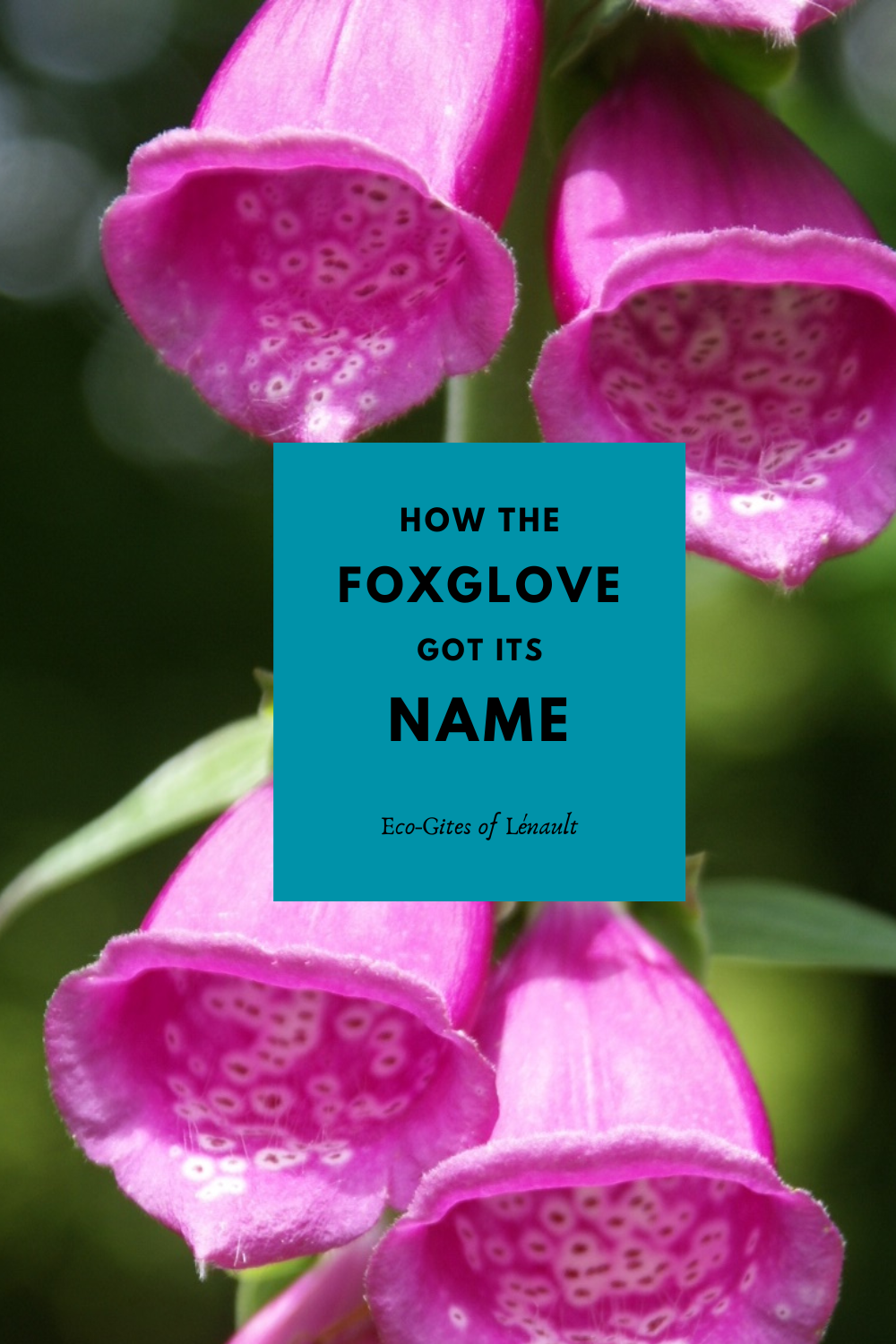
Back as the 11th century, the flower was recorded as foxes glōfa. Glōfa is the Old English word for “glove”, which makes sense when you look at the flowers closely; each bell resembles the finger of a tiny glove. Another theory is that the “glove” part may have come from the Anglo-Saxon gliew, the name for a musical instrument made up of many small bells.
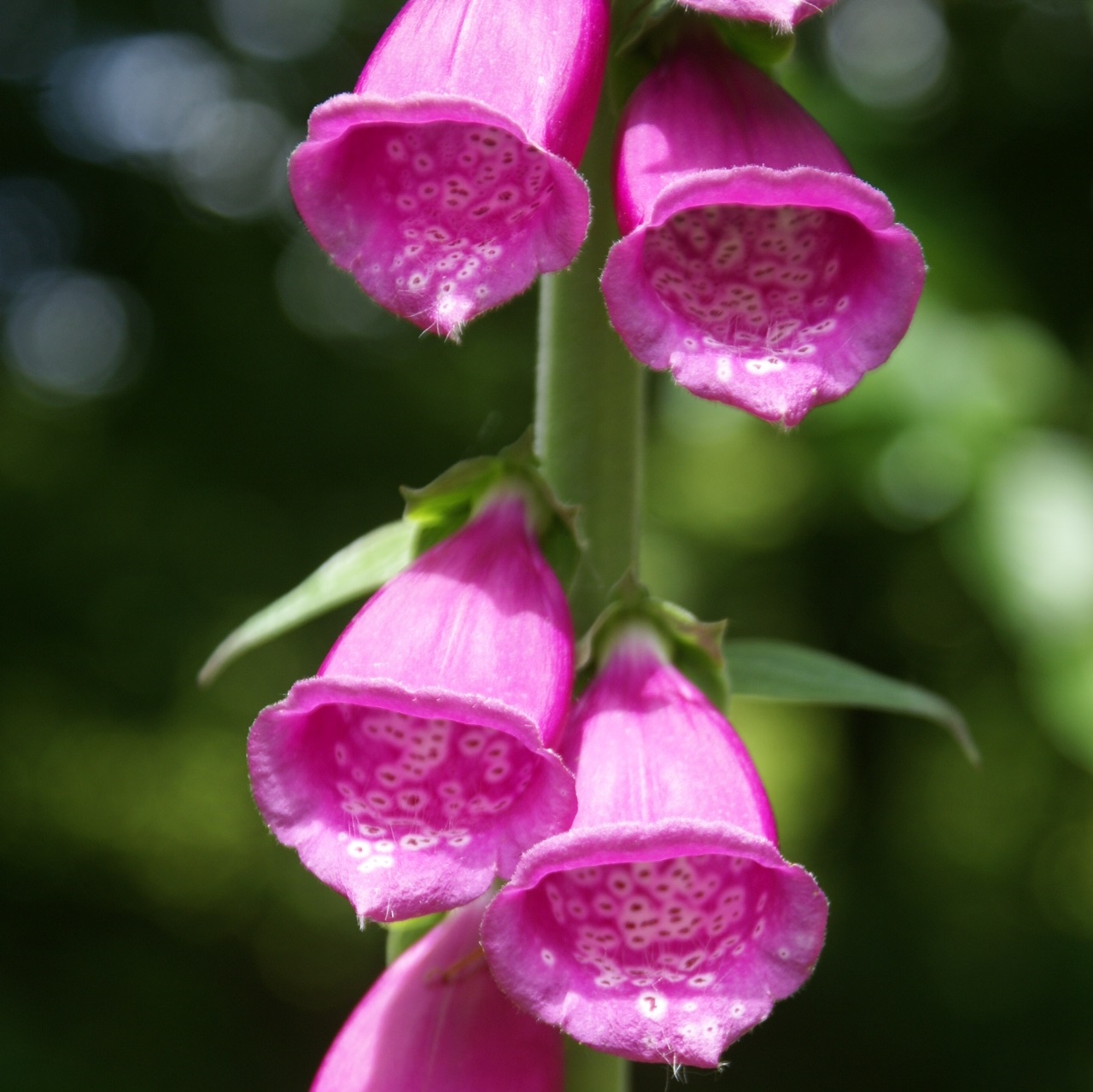
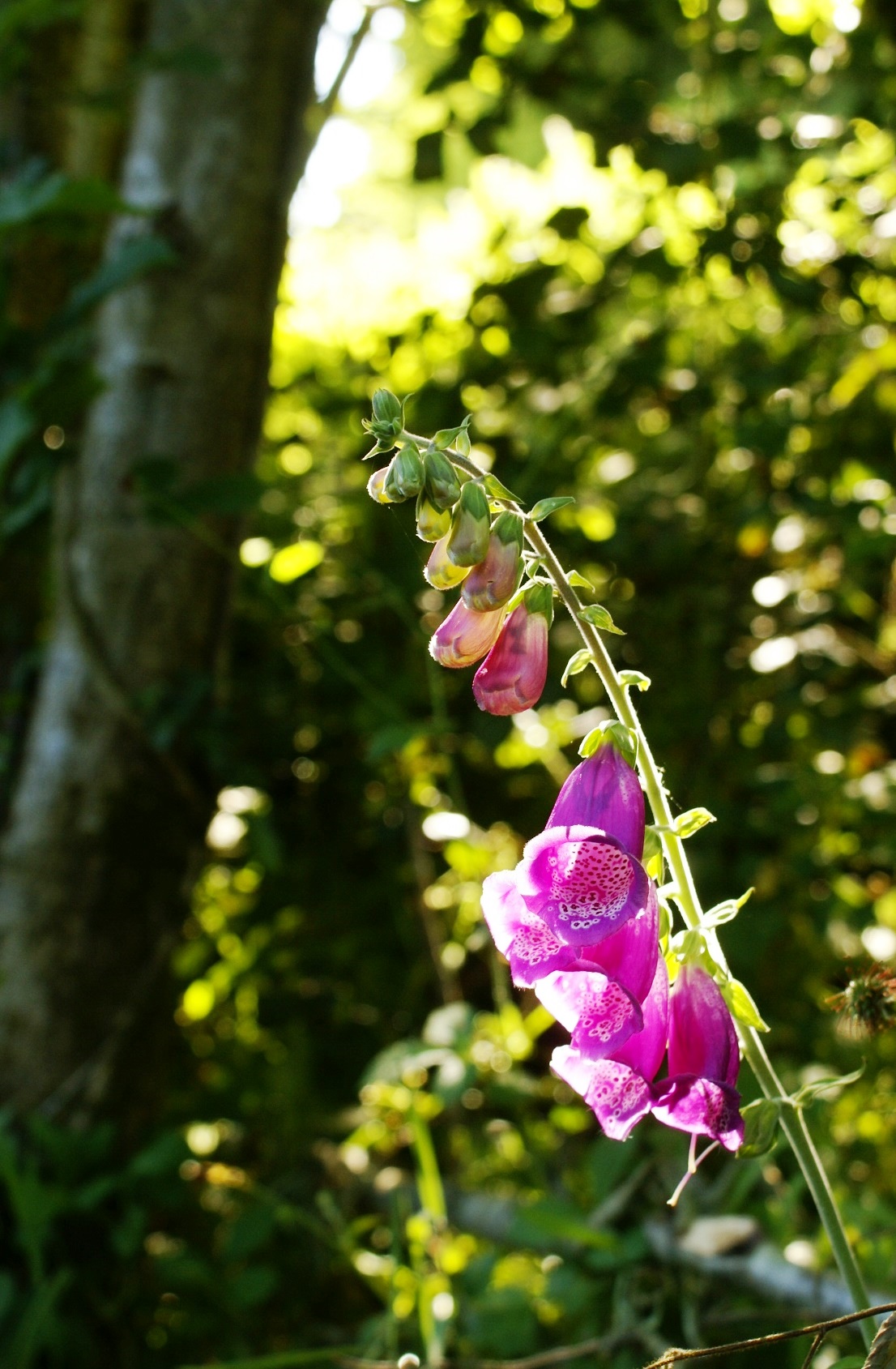
The “fox” part of the name may not refer to the animal at all and some believe it is derived from old words linked to fairies, woodland spirits or “little folk”. In some places foxgloves are still known as “Fairybells”, which certainly suits their enchanting appearance in shaded woodland paths and quiet country hedgerows, ideal location for little people to hide out in peace.
Folklore may also have had its part to play in ensuring they are foxgloves rather than fairybells. A children’s tale tells how clever foxes wore foxglove bells on their paws like soft gloves, helping them creep silently towards unsuspecting chickens. Undoubtably this is just a story but it is easy to see how this may have helped most people settle on the name foxglove.
The plant’s Latin name, Digitalis purpurea, comes from the Latin digitus, meaning “finger”, as each flower slips perfectly over a fingertip like a tiny thimble. The name Digitalis also connects foxgloves to modern medicine: the leaves contain compounds used to produce the heart medication Digoxin. Despite their beauty, however, foxgloves are highly toxic and should never be eaten.
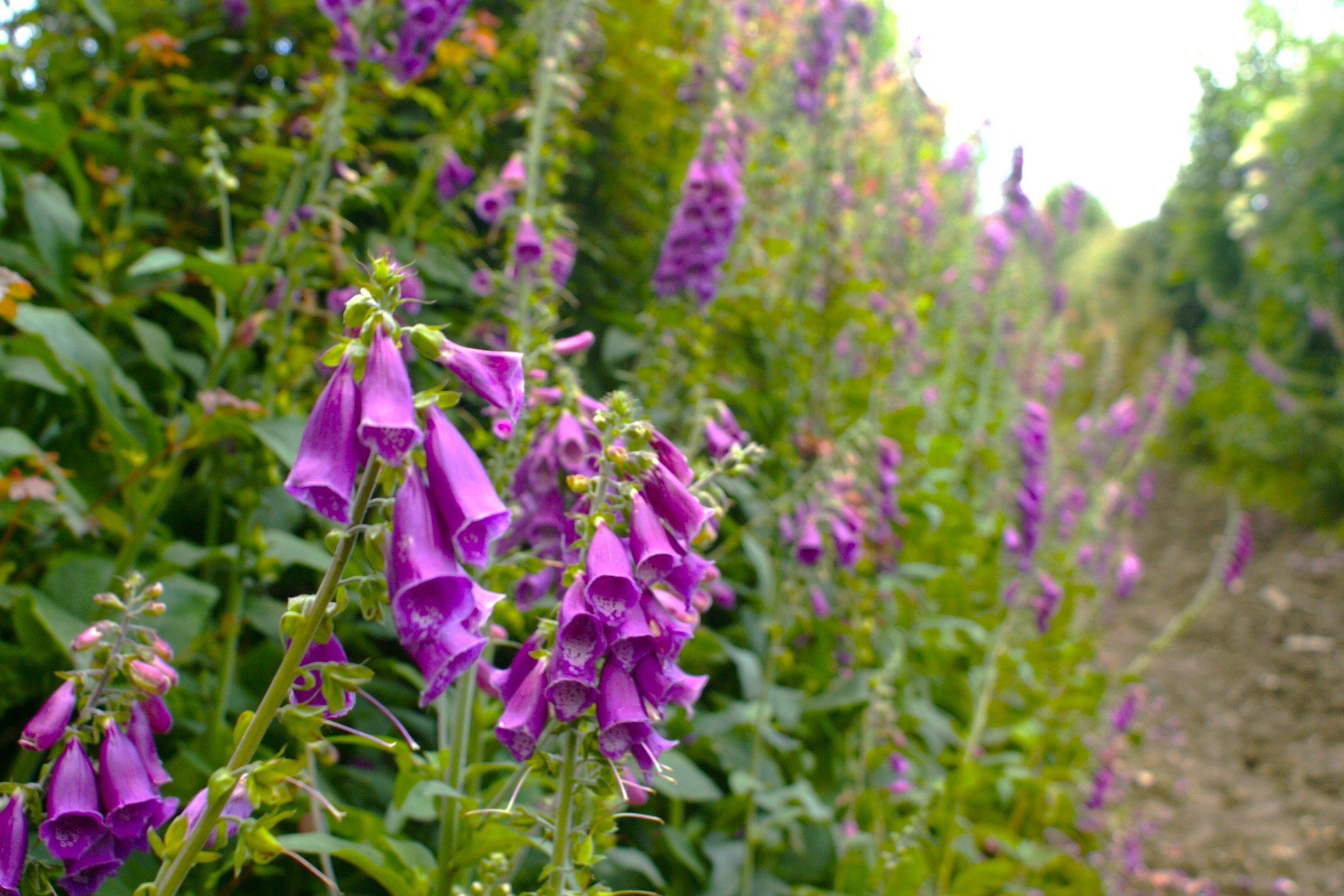
Whatever the true origin of their name, foxgloves are among the most striking wildflowers in the Normandy countryside. Around Eco-Gites of Lénault they thrive in the cool shade of woodland edges and tall hedgerows and as the spring primroses, bluebells and the like fade away for another year, foxgloves bring splashes of vibrant colour to walks right on our doorstep.
If you would like to see them at their very best, late May and June are the perfect time to visit. It is one of the loveliest seasons to explore the peaceful lanes, woodlands and rolling countryside surrounding Eco-Gites of Lénault ... with foxgloves taking a starring roll.
Comments
Oh I loved seeing these when we stayed with you - we must sort out another visit.
SarahThat's interesting, I love the links to folklore. Although nothing to do with gloves, I remember paintings of flower fairies and am sure there is a foxglove fairy. Cecily Mary Baker?
SueI've always loved the idea of foxes in gloves, but fairy bells makes sense too. How lovely that they grow so abundantly around you.
Phoebe